Book a temple lodgingBook your stay

TOPTemple lodging list

Temple lodging list

STAY

Temples nationwide

From Gunma in the north to Tsushima in the west. Choose your destination to match your itinerary.

TAKAYAMA-ZENKOJI TEMPLE

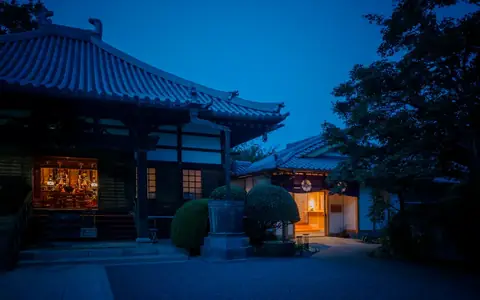
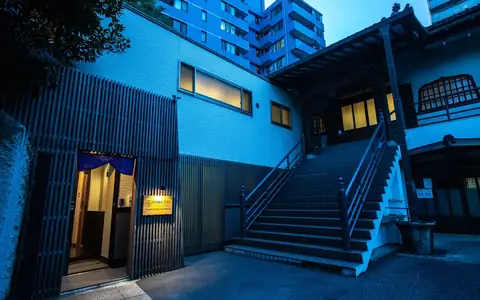
Takayama Zenkoji

  • Takayama City, Gifu Prefecture
  • Approx. 5 min walk from JR Takayama Station

  • Up to 30 guests (6 rooms)

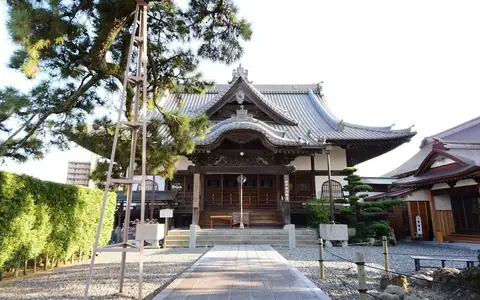
Takayama Zenkoji (Jodo-shu sect) is a temple that welcomes visitors regardless of nationality, religion, or gender. It is a branch temple of Shinshu Zenkoji Daihongan in Nagano Prefecture, enshrining the Amida Nyorai (Zenkoji Nyorai) in the Ikkosanzo style. Only about 20 temples have been granted the "branch temple" designation from Shinshu Zenkoji Daihongan, and Takayama Zenkoji is the only one in Gifu Prefecture. Like Shinshu Zenkoji, it also features an underground Kaidan-meguri.

Since its founding, the temple has provided temple lodging for pilgrims traveling long distances. Today, it has become a vibrant international lodging, attracting visitors from all over the world to Takayama, with over 95% of guests being international travelers. The kitchen is also open to all guests for free use.
See details for Takayama Zenkoji

KANNON-IN TEMPLE

Kannon-in

  • Kiryu City, Gunma Prefecture
  • Approx. 7 min by car from JR Kiryu Station
  • Capacity: 12 guests

Zuishozan Kannon-in Nommanji (commonly known as "Higiri Jizo Son Kannon-in"). This private temple lodging is limited to one group per day, allowing you to enjoy the entire premises, including a beautiful private garden and a fully equipped kitchen, all to yourself.

This Shingon sect temple, said to have been founded in 1644 (with a history of approximately 380 years), is the 10th temple on the Kanto 88 Sacred Places pilgrimage. The current head priest is Eishin Tsukimon. It has been selected as one of "Gunma's 100 Famous Places" and is locally known as "Nanajyo Jizo Kannon-in." In June 2025, a tourist information cafe & park and a Korean herbal tea cafe, "Sabo Sara," also opened on the temple grounds.

See details for Kannon-in

SHODENJI TEMPLE

Shodenji

  • Minato Ward, Tokyo
  • Approx. 15 min walk from JR Hamamatsucho Station
  • Capacity: 10 guests

Matsuryuzan Shodenji (commonly known as "Shodenji," Nichiren sect). This temple in Shiba, Tokyo, has a history of approximately 400 years.

Shodenji renovated its kuri (temple living quarters) adjacent to the main hall within the temple grounds into temple lodging for general guests, opening in July 2019. The temple's wish to "open the temple to more people and encourage them to visit" began in the form of temple lodging.

See details for Shodenji

DAIKEIJI TEMPLE

Daikeiji

  • Fujieda City, Shizuoka Prefecture
  • Approx. 9 min by car from JR Fujieda Station
  • Capacity: 10 guests

Enmyozan Daikeiji (Nichiren sect) is a temple with over 770 years of history, located in the heart of Fujieda-juku, the 22nd post town on the old Tokaido road. In the spring of 1253, Saint Nichiren, on his way to study at Mount Hiei, stopped here and converted the couple Doen and Myoen, who ran a teahouse. To commemorate this, he planted a pine tree, which became known as the "Kuen no Matsu" (Pine of Eternity).

During the Edo period, it served as a prayer temple for Tanaka Castle and was known as the "Samurai Temple." The single-rental temple lodging, "Kanshozo," which offers a view of this pine tree, grand opened in June 2026.

See details for Daikeiji

KOKUSHOJI TEMPLE

Kokushoji

  • Tsushima City, Nagasaki Prefecture
  • Approx. 11-minute walk from Izuhara Port
  • Capacity: 3 people

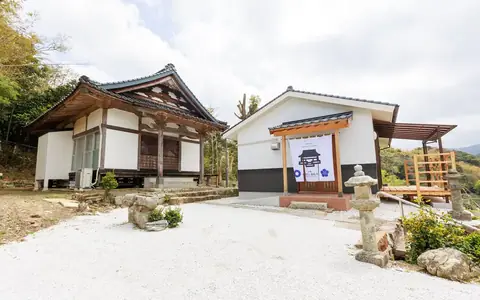
Kokushoji Temple (Nichiren-shu sect) is a temple lodging located on a hill overlooking the townscape of Izuhara, which has flourished as a castle town in Tsushima since ancient times. This temple lodging, limited to one group per day, consists of two spaces: the Shugoshin-do Hall, which enshrines Kato Kiyomasa, and a newly constructed accommodation building on the surrounding grounds.

Kokushoji Temple is the only Nichiren-shu temple in Tsushima and has been cherished by locals in the center of Izuhara town. The temple lodging utilized Tsushima City's "Temple Stay Promotion Project Subsidy" and, after more than two years of preparation, soft-opened in July 2025.

View details of Kokushoji Temple

MATSUI-BO TEMPLE

Matsui-bo

  • Minobu-cho, Minamikoma-gun, Yamanashi Prefecture
  • Approx. 10-minute drive from JR Minobu Station
  • Capacity: 3 people

Matsui-bo is a sub-temple (tatchu) temple lodging of Minobusan Kuonji Temple. It is located right next to the Kuonji Temple Sanmon, which is considered one of Japan's three great temple gates.

It was founded in 1364 by Saint Nicho. Its guardian deity is Hokushin Myoken Daibosatsu, the god of the Big Dipper, and it is said that on specific days in March, the North Star still shines directly above the temple. The approach to the temple still features magnificent pine trees, from which the temple's name is derived. Here, you can enjoy a relaxing time, watched over by the stars and pines.

View details of Matsui-bo

SHIMANO-BO TEMPLE

Shimanobo

  • Minobu-cho, Minamikoma-gun, Yamanashi Prefecture
  • Approx. 10-minute drive from JR Minobu Station
  • Capacity: 10 people

Shimanobo (Nichiren-shu sect) of Minobusan Higashidani Yogyoin Temple is the oldest temple lodging within the grounds of Minobusan, the head temple of the Nichiren-shu sect, celebrating its 750th anniversary in 2024. Located at the entrance of the Higashidani approach, it is also close to the temple town, making shopping convenient. Highlights include seasonal flowers such as the parent-child weeping cherry tree, Ukon cherry tree, and over 60 red weeping cherry trees and azaleas on the back mountain.

Temple lodgings were originally places for monks in training to stay, but with the spread of temple and shrine pilgrimages during the Heian period, aristocrats, samurai, and general pilgrims also began to stay. Currently, it accommodates not only group pilgrimages but also individuals and non-Nichiren-shu followers. Guests are encouraged to wake up early and attend the morning service (morning sutra chanting) at Kuonji Temple, the head temple of the Nichiren-shu sect.

View details of Shimanobo

SHOUREKIJI TEMPLE

Shorekiji

  • Ayabe City, Kyoto Prefecture
  • Approx. 7-minute drive from JR Ayabe Station
  • Capacity: 6 people

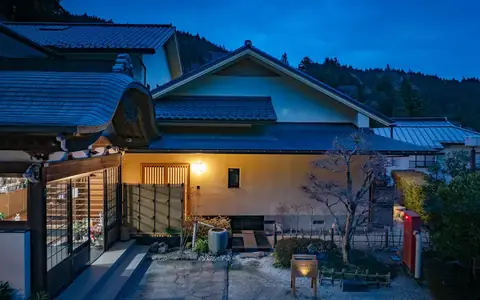
Shorekiji Temple is a temple lodging that bills itself as the "world's first temple auberge," offering exclusive rental of the entire building for one group per day.

Based on the concept of a temple lodging that calms the mind, the head priest, Hiroshin Tamagawa, acts as a dedicated concierge, proposing a customized stay from approximately 20 temple experiences tailored to the guest's purpose and state of mind. A distinctive feature is the cuisine, which involves sourcing a whole rare gamecock from the local Hasugamine farm, encouraging reflection on the act of taking a life. It was selected for the Japan Tourism Agency's "Castle Stay / Temple Stay" project in 2020 and grand opened on June 1, 2021.

View details of Shorekiji Temple

DAITAIJI TEMPLE

Daitaiji

  • Nachi-Katsuura Town, Higashimuro District, Wakayama Prefecture
  • Approx. 5 minutes by taxi from Taiji Station (JR)
  • Main building: 8 guests + Annex: 2 guests

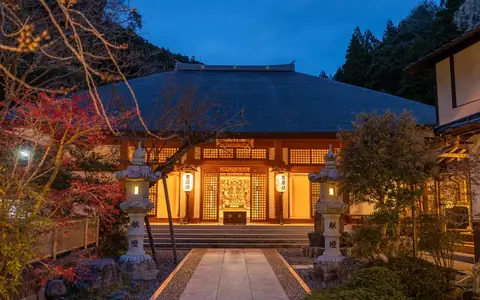
Jokozan Daitaiji (Rinzai sect, Myoshinji school) is a Zen temple with over 1200 years of history, located along the Kumano Kodo, a UNESCO World Heritage site. Legend says that the temple originated when the Great Master Saicho carved a statue of Yakushi Nyorai (Medicine Buddha) from a willow tree to seal away a giant serpent that was tormenting the local people. Today, it is known as one of the leading Yakushi pilgrimage sites in the Nanki region.

Our temple lodging opened in February 2020. In addition to Zen temple experiences like zazen, sutra copying, and morning rice porridge, we offer unique activities such as Zen sauna by the river and camping. Daitaiji also welcomes guests with pets.

View details for Daitaiji

HABANA-BO TEMPLE

Habanabo

  • Minobu Town, Minamikoma District, Yamanashi Prefecture
  • Approx. 11 minutes by car from Minobu Station (JR)
  • Capacity: 4 guests

Habanabo, literally meaning "temple at the edge," is located on the eastern edge of Mt. Minobu. "Edge" also signifies "beginning." The temple grounds, situated on a hill, offer excellent views, with Mt. Takatori directly in front and Mt. Shichimen visible from this sub-temple, the only one within the mountain to offer such a view. It's a peaceful environment, just a 5-minute walk from Kuonji Temple.

Based on the concept of "sanro-rashiku" (viewing time spent at the temple lodging as a form of spiritual training), there are no entertainment items like TVs in the rooms or even the lobby. During the evening service, which guests can attend, there is a special opening of the altar and a dharma talk. Meals are shojin ryori (Buddhist vegetarian cuisine), prepared without any animal products, even in the broth. The head priest will guide guests to the early morning service at Kuonji Temple.

View details for Habanabo