
NEWS
What It’s Like to Stay at a Temple in Japan
Staying at a Temple in Japan Isn’t What You Think
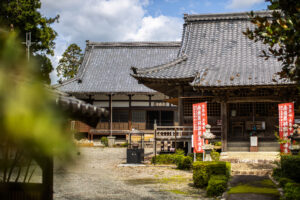
When people imagine staying at a Japanese temple, they usually think:
・Silence.
・Strict rules.
・No comfort.
・No Wi-Fi.
But temple stays in Japan can actually be peaceful, meaningful, and surprisingly comfortable without being restrictive or intimidating.
At Daitaiji Temple in Nachikatsuura, Wakayama, you can:
・Wake up to the sound of birds
・Meditate with monks
・Eat fresh, simple local meals
・Enjoy nature
・Even get remote work done
Step Into 1,200 Years of History
Here’s what a real temple stay in Japan looks and feels like.
A Temple Along the Ancient Kumano Kodo Trail
Daitaiji Temple was founded over 1,200 years ago by Saichō, one of the most influential monks in Japanese history.
Located near the legendary Kumano Kodo pilgrimage route, the temple is surrounded by mountains, bamboo forests, and centuries of quiet tradition.
Inside, you’ll find cultural treasures, including Buddha statues from the 1100s, one of which is officially recognized as a Japanese cultural asset.
Every part of the temple—the architecture, the statues, the air carries a sense of depth and history.
6 Experiences Anyone Can Try (No Religious Knowledge Needed)
You don’t need to be Buddhist to stay at a temple in Japan.
You don’t need spiritual experience.
You just need curiosity and an open mind.
Here are six simple, calming experiences you can try at Daitaiji:
1. Morning Zazen Meditation
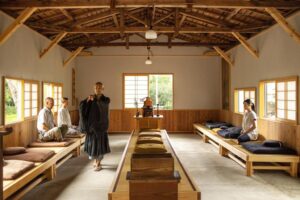
Begin your day with gentle, guided meditation.
A local monk provides easy instructions on how to sit, how to breathe, how to relax your mind.
You don’t need to be “good” at meditating.
Even a short session leaves you feeling clear and refreshed.
2. Buddha Statue Tour
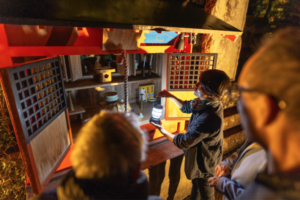
Walk through the temple’s historical halls and learn the cultural stories behind each statue.
It’s a quiet, educational experience that reveals Japan’s spiritual and artistic heritage.
3. Sutra Copying (Shakyō)
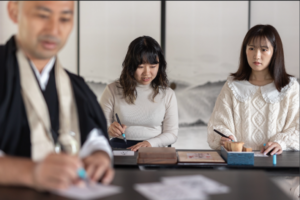
Trace Buddhist scriptures slowly by hand.
No Japanese required, the focus is on the act of writing itself.
It feels like mindful drawing: relaxing, grounding, and meditative.
4. Monk’s Morning Porridge
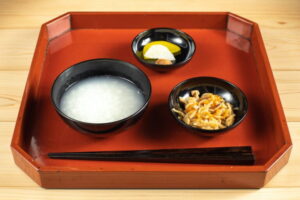
Enjoy okayu (rice porridge) served with simple, seasonal sides.
It’s humble, healthy, and surprisingly comforting.
5. Ringing the Evening Bell
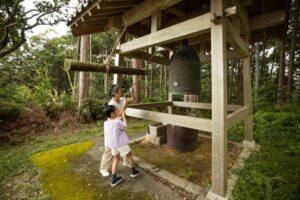
At sunset, you can ring the temple’s large bronze bell.
The deep, echoing sound is calming and symbolic, marking the end of the day.
6. Nature Activities: Zen Sauna or Local Nature Visit

For a bit more movement:
Try a riverside tent sauna followed by a cold plunge
Explore nearby forests or rivers
These activities give you a glimpse into everyday life in Wakayama.
Where You Sleep
Quiet tatami rooms with sliding doors and wooden beams.
Minimal, cozy, and peaceful, perfect for people who want to unwind indoors.
A Message from the Head Priest
“Temples used to be part of everyday life.
Kids played here. Adults came to talk.
I want to bring that feeling back.”
— Toumi Nishiyama, Chief Priest of Daitaiji
He believes that temples shouldn’t only be places for praying. They should be places for living, learning, and resting your soul.
Work Remotely in a Zen Co-working Environment
If you’re tired of noisy cafés or working from home, a temple stay is surprisingly ideal for remote work.
You’ll have:
・Fast, reliable Wi-Fi
・Quiet rooms
・Fresh mountain air
・Zero distractions
・A naturally clear headspace
Work in the morning.
Meditate at noon.
Walk the forest trail in the afternoon.
It’s productivity without stress.
Final Thoughts
A temple stay in Japan isn’t a strict retreat or a rigid spiritual program.
It’s a chance to slow down, reconnect, and experience Japan in its most authentic form.
Whether you want time in nature, historical depth, quiet reflection, or even a peaceful place to work, Daitaiji Temple offers a rare kind of calm that’s hard to find anywhere else.